
Why Choose Peruvian Coffee?
-

High-Altitude Growing Conditions that Enhance Quality
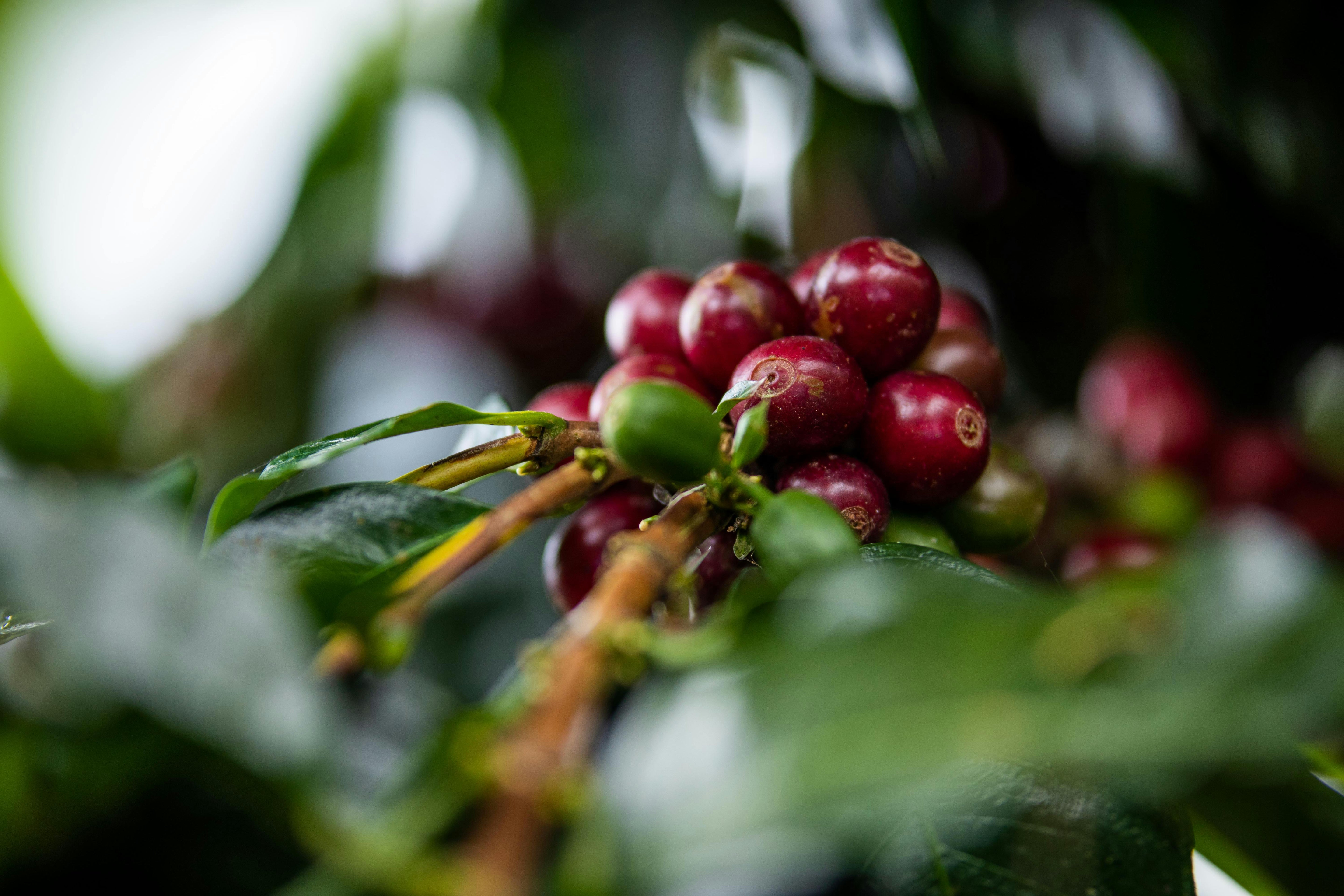
Peru is one of the few coffee origins in the world where beans are consistently grown at extreme altitudes; often between 1,200 and 2,200 meters above sea level. These high elevations mean that coffee cherries mature more slowly, allowing sugars and complex flavours to fully develop. The result is a cup that’s naturally sweet, clean, and layered with citrus, floral, and fruity notes. The cooler nights and sunny days of the Andes also create an environment where acidity is bright but balanced, never overwhelming. For coffee lovers, this translates into extraordinary versatility: Peruvian beans shine as delicate pour overs, refreshing cold brews, or vibrant espressos with crisp clarity. This unique geography is what gives Peru its reputation as a specialty coffee powerhouse, and why it continues to attract attention from both casual drinkers and professional baristas.
-

Farmer-Driven Tradition and Sustainable Practices
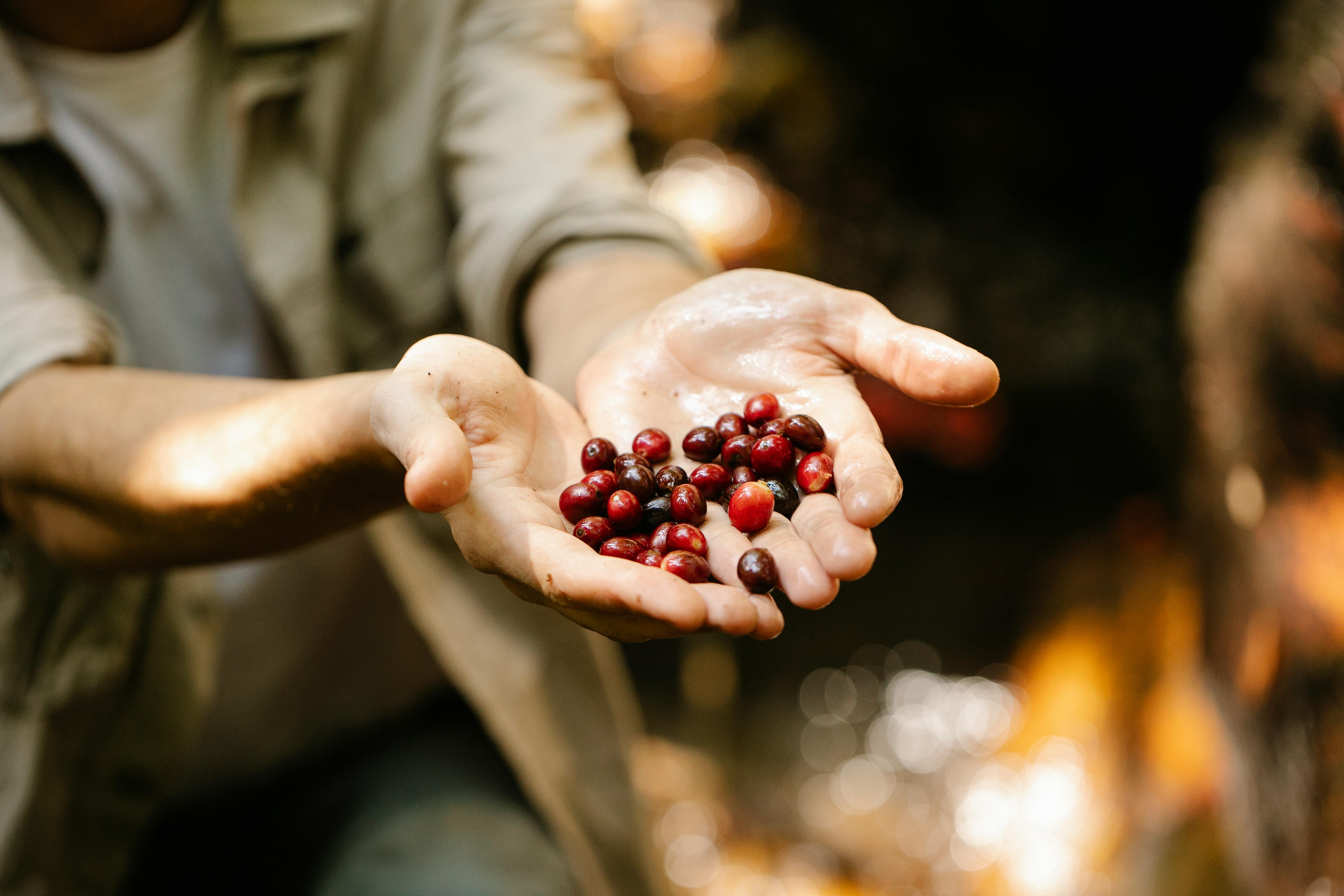
What truly sets Peruvian coffee apart isn’t just the land; it’s the people. Peru is home to more than 200,000 smallholder farmers, many of whom manage plots of just a few hectares passed down through generations. These farmers cultivate coffee with deep respect for the land, often using traditional methods and embracing organic or sustainable practices. Many Peruvian regions are known for certified organic coffees, a reflection of the low use of synthetic chemicals and the natural farming techniques rooted in Andean culture. Beyond flavour, every cup of Peruvian coffee tells a story of heritage, resilience, and community. By choosing Peruvian specialty coffee, you’re supporting rural families, helping preserve traditional cultivation methods, and contributing to a more sustainable coffee industry. It’s this human touch that makes Peruvian beans not just exceptional in taste, but meaningful in every sip.


Brewno
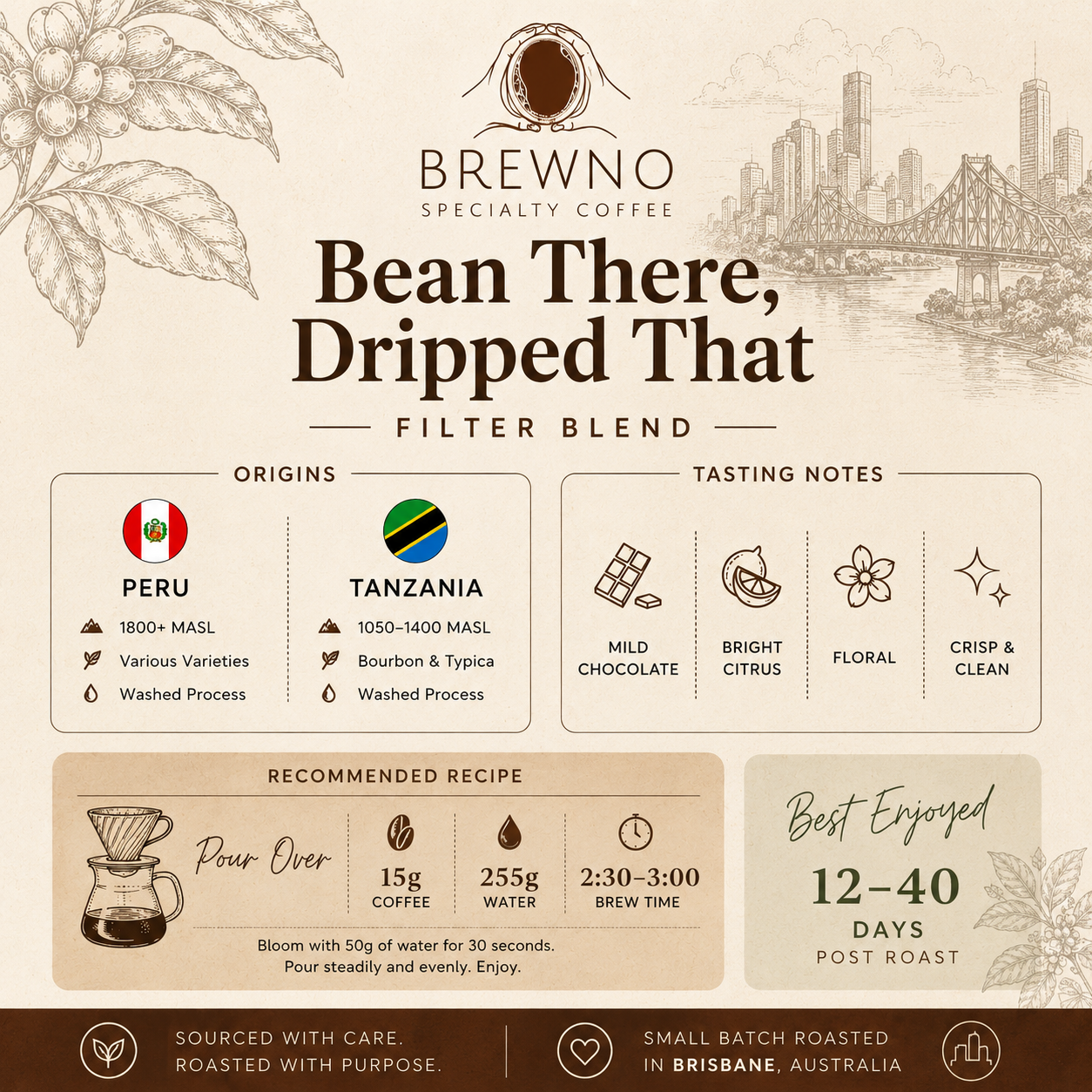
Bean There, Dripped That | Pour Over & Filter Coffee Blend

Peru Fact!
Did you Know
Most Peruvian coffee farms are smallholder operations that use shade trees and agroforestry systems. These systems often include a wide variety of native tree species like Inga and others that support soil health and ecosystem diversity. Shade-grown coffee helps preserve biodiversity, aids carbon sequestration, and creates a more sustainable environment for both the land and the farmer.
Blog posts
View all-

How Much Coffee Does an Office Need? | Office C...
Not sure how much coffee your office actually needs each month? This simple guide breaks down how many coffees you can expect from 1kg of beans, how to estimate workplace...
How Much Coffee Does an Office Need? | Office C...
Not sure how much coffee your office actually needs each month? This simple guide breaks down how many coffees you can expect from 1kg of beans, how to estimate workplace...
-

Should Your Gym Sell Coffee? | Coffee for Gyms ...
Could coffee improve your gym's member experience while creating an additional revenue stream? We explore why more gyms, fitness studios and wellness spaces are adding quality coffee, what you need...
Should Your Gym Sell Coffee? | Coffee for Gyms ...
Could coffee improve your gym's member experience while creating an additional revenue stream? We explore why more gyms, fitness studios and wellness spaces are adding quality coffee, what you need...
-

Australian Grown Coffee | Can Coffee Be Grown i...
Can coffee really be grown in Australia? Discover where Australian coffee is produced, what it tastes like and why Australian-grown specialty coffee is one of the country's best-kept secrets.
Australian Grown Coffee | Can Coffee Be Grown i...
Can coffee really be grown in Australia? Discover where Australian coffee is produced, what it tastes like and why Australian-grown specialty coffee is one of the country's best-kept secrets.


FAQ
What makes coffee “specialty” instead of regular coffee?
Specialty coffee is graded 80+ on a 100-point scale by certified tasters. Unlike commodity coffee, which is grown and sold in bulk, specialty beans are carefully sourced, processed, and roasted to highlight their unique flavours. This results in a more complex, high-quality cup.
How long do coffee beans stay fresh after roasting?
Coffee is at its best within 2–4 weeks of roasting. After that, flavours begin to fade as beans lose their aromatic compounds. That’s why Brewno roasts to order; ensuring your beans arrive fresh, not stale from sitting on a supermarket shelf. for more detail see our blog on coffee freshness
Can I get specialty coffee delivered to regional areas in Australia?
Yes! Brewno delivers Australia-wide, from major cities like Sydney, Melbourne, and Brisbane to regional towns. No matter where you live, you can access freshly roasted specialty coffee delivered straight to your door.
Is specialty coffee worth the price?
Absolutely. Specialty coffee costs slightly more than supermarket coffee because farmers are paid fairly, beans are higher grade, and roasting is done in small batches. The payoff is a fresher, more ethical, and far better-tasting cup.
What is the difference between direct trade and Fair Trade coffee?
Fair Trade sets minimum price guarantees for farmers and supports community projects.
Direct trade builds one-to-one relationships between roasters and growers, often leading to higher pay and more transparency.
At Brewno, we support both, ensuring your coffee is ethical and traceable.
How do I store specialty coffee beans at home?
Keep beans in an airtight bag or container, stored in a cool, dark place. Avoid the fridge or freezer, as fluctuating temperatures and moisture can damage freshness.